
Accident Recovery vs. Regular Towing: Know the Difference
Not all towing is the same and, when you call for help, one must at least know the difference between accident recovery and regular towing. The latter may just be a helping hand but the other’s more like a lifeline. Accident recovery is worlds apart from a routine tow in terms of methods, tools, and knowledge needed. Here are seven differences between them.
1. Type of Incident
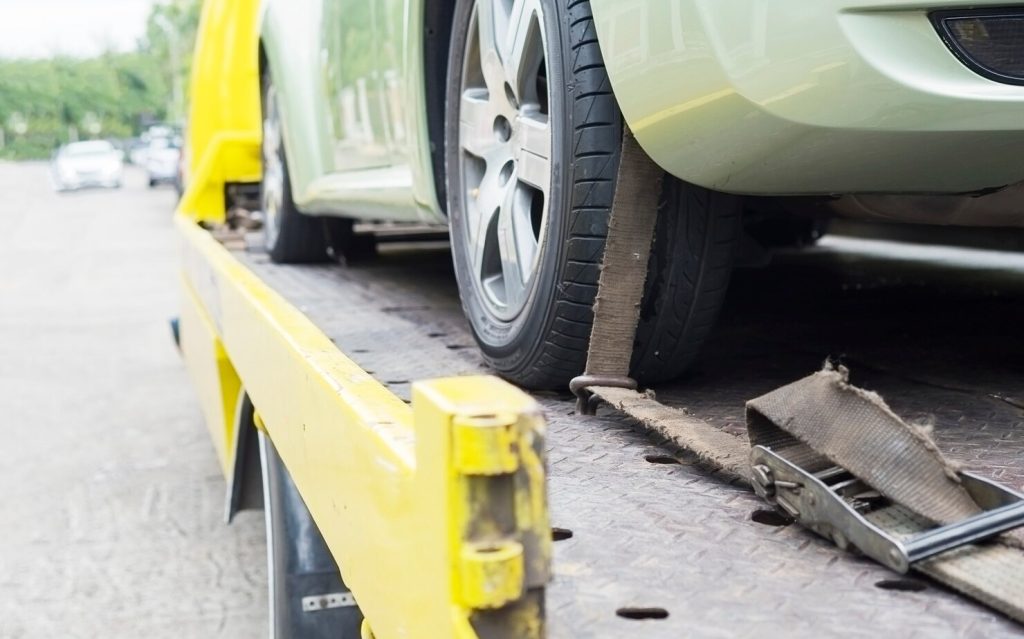
Common tools like wheel lifts or flatbeds are what’s needed for regular towing. It’s for moving cars that have been impounded, broken down, or are incorrectly parked. However, accident recovery handles automobiles that have been badly damaged and might require winches, cranes, or stabilization tools to move them.
2. Vehicle Condition
Moving disabled cars that are still drivable or rollable is your typical tow. They are usually for rides with mostly mechanical issues. On the other hand, accident recovery handles vehicles that are seriously damaged in an accident. You could say one’s a simple fix and the other will need some sort of a miracle to remedy.
3. Equipment Used
Common equipment like dollies, wheel lifts or flatbeds are what’s used in towing. The automobile to be rescued is either pulled or put on top of a truck and either brought home or to a shop. In recovery operations, special gears such as rotators, stabilizing jacks, hydraulic spreaders, and heavy-duty winches come into play.
4. Operator Training
Regular tow operators require rudimentary training in equipment operation, safety procedures, and vehicle management. As for accident recovery, the professionals must undergo training in advanced extrication and collision dynamics to manage high-risk situations in a safe manner. While part of our accident recovery vs regular towing presentation, this focus on training required is not meant to put down the simple tow.
5. Safety Measures
In regular towing operations, the transport of disabled vehicles requires the use of warning lights, basic safety measures for the vehicle, and adherence to traffic regulations. That’s more or less the size of the added help one will get added to the actual tow. However, accident recovery needs sophisticated operational procedures to ensure the protection of the crew and the surrounding traffic.
6. Cost Factors
Regular towing is understandably less expensive if prices are to be determined only by distance, vehicle size, and basic service fees. In the case of having to retrieve a damaged automobile from the site of a road mishap, what’s needed are sophisticated procedures, specialized equipment, and additional staff. The cost of such an operation will add up, especially if you call for help at night or during severe weather conditions.
7. Coordination with Authorities
The usual towing service won’t need to interact with the police. It’s a simple hitch and pull and off you go. As for the more complicated process of accident recovery, the assistance crew will most likely get there with the authorities already at the scene, controlling traffic, and filing an incident report. Recovery operators will have to coordinate with the law enforcers before leaving with the vehicle.
From Wreck to Recovery
If your vehicle is disabled but not wrecked, regular towing is sufficient. However, if it’s overturned, trapped, or severely damaged, accident recovery is necessary. And that’s the difference between accident recovery and regular towing. Knowing the distinction will get one the right assistance without needless expense or delay. If you need help call Kit’s Towing at 630-369-3225.